
How to Look Up Franklin County Jail Population Data
There is no single live counter for the Franklin County jail population. The county does not run a public dashboard that posts a daily head count. To build a picture, you pull from three kinds of sources and stack what each one gives you. Federal data sets the national and state frame. The Sheriff's own reports cover the local facilities. And broad research groups fill gaps with county-level estimates when the official numbers stay thin.
Start with the federal data when you want a reliable baseline. The Bureau of Justice Statistics tracks jail counts across the country and breaks them down by state. Those reports do not name every county jail, but they give the rates and ratios that put a local number in context.
The Bureau of Justice Statistics is the main federal source for jail population reports.
You can review national jail counts and methodology at the Bureau of Justice Statistics site.
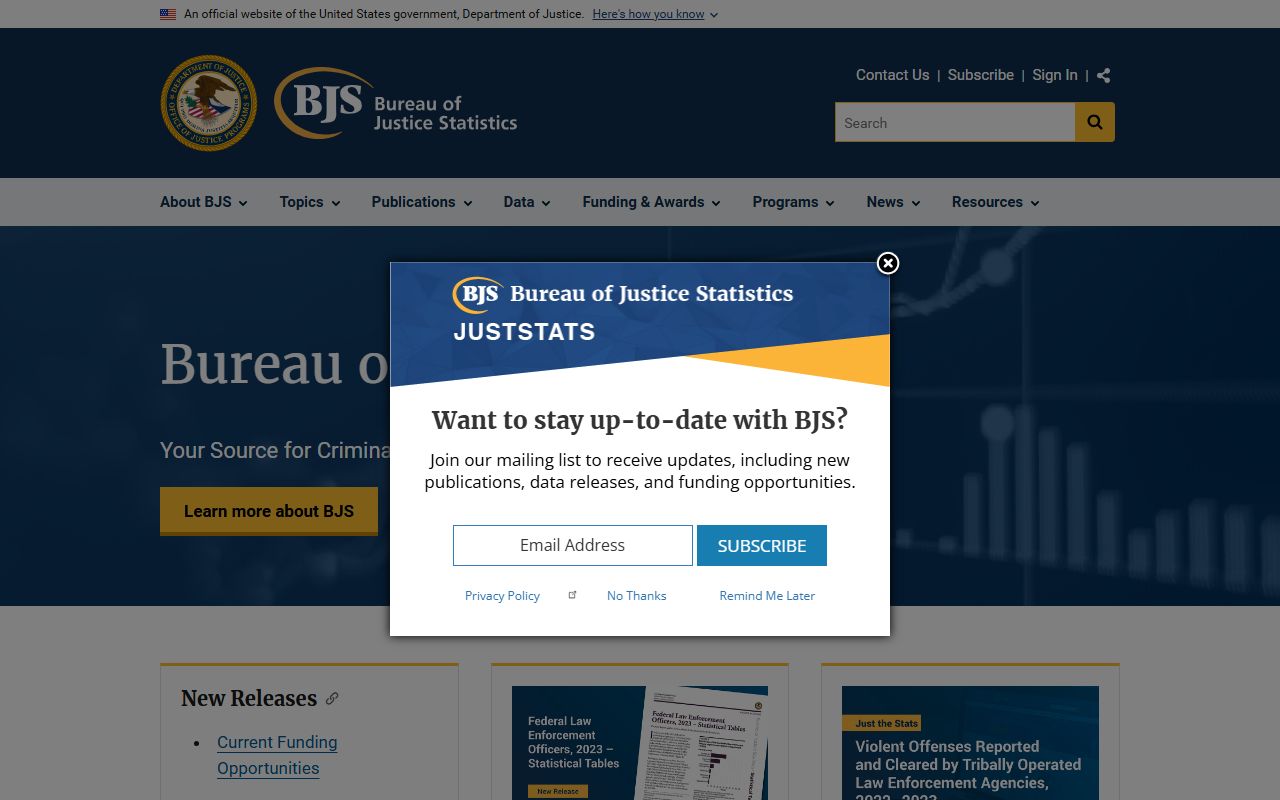
BJS reports do not list the Franklin County jail by name, so treat them as context, not as a local count. For the local angle, the Sheriff annual report is the place to check next. After that, name-level lookups for a single person run through a different tool, covered further down.
- Open the Bureau of Justice Statistics jail reports for the national and Ohio baseline.
- Check the Sheriff annual report for any local facility figures.
- Use the Prison Policy Initiative for added Ohio context where county data is thin.
- Note clearly which numbers are county, which are state, and which are national.
- For one named person, switch to the inmate records search instead of population data.
Franklin County Jail Capacity Overview
The county holds people in more than one facility. The main site named in official notices is Franklin County Corrections Center II, also called the Jackson Pike jail, on the south side of Columbus. A second facility tied to Fisher Road also appears in Sheriff notices, though its full street address is not published in the official sources reviewed. Each site has its own role, and the county moves people between them based on classification and need.
Rated capacity is the number of beds a jail is built and approved to hold. For the Franklin County facilities, that figure is not published in the official pages reviewed. The county does not post a bed count for either site. Where a value is simply not available, the table below says so plainly rather than guessing.
| Facility | Address | Rated Capacity | Notes |
|---|---|---|---|
| Franklin County Corrections Center II (Jackson Pike) | 2460 Jackson Pike, Columbus, OH | Not published | Main county jail named in visitation and mail notices. |
| Fisher Road facility | Full address not published | Not published | Referenced in Sheriff mail digitization notices. |
Because the county does not release a rated bed count, you cannot calculate an occupancy rate from official local data alone. That gap matters. A jail running near or over capacity is a common pressure point, and without a published bed number, the public has no easy way to track it for these two sites.
Franklin County Average Daily Population
Average daily population, or ADP, is the mean number of people held in a jail across a set period. It smooths out the daily swings from new bookings and releases. For the Franklin County jail, an official ADP figure is not published in the pages reviewed. The county does not post a running average for either facility.
This is a real gap, not an oversight on the reader's part. Many counties publish ADP in a budget document or a jail annual report, but the local sources checked here do not state one. The Sheriff annual report page is the best candidate to hold such a figure, so that is the first place to check for any year-by-year count.
The Prison Policy Initiative compiles incarceration context for Ohio that can stand in where local counts are missing.
For state-level framing, see the Prison Policy Initiative data on Ohio jails and prisons.
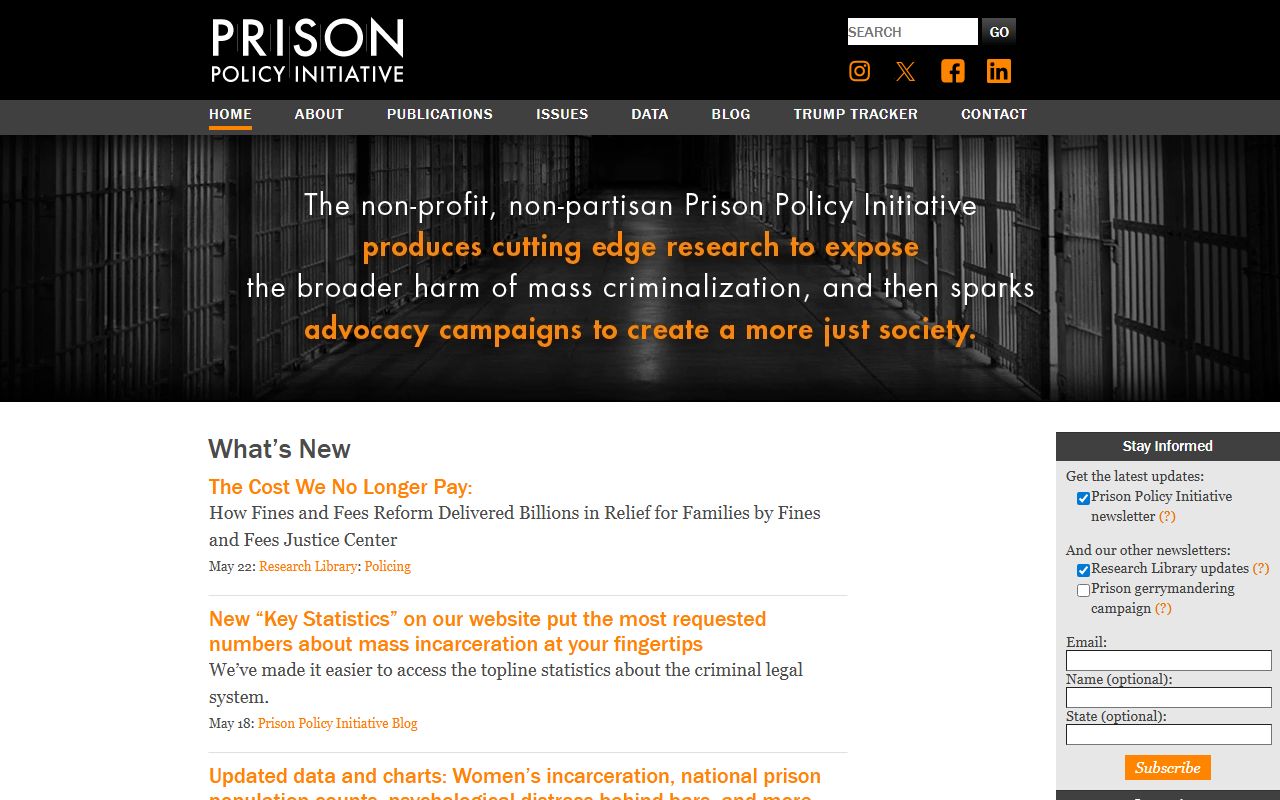
Prison Policy data is state and national in scope. It does not replace a Franklin County ADP. Use it to understand the broad trend, then verify any county-specific claim against an official Sheriff source before you treat it as fact.
Demographic Breakdown
A demographic breakdown shows who is held by race, sex, and age. The Sheriff's public inmate lookup lets you filter by some of these fields when you search for a person, but the county does not publish a summary table of the whole jail population by group. So a clean demographic split for the Franklin County jail is not available from the official sources reviewed.
What can be said is general and state-level. National and Ohio data from research groups show that jail populations skew young and male, and that Black residents are held at higher rates than their share of the general population. Those patterns hold across most large urban counties. They are context, though, not a Franklin County count.
Note: The Sheriff inmate lookup carries race, sex, and age fields per person, but a population-wide demographic table for the Franklin County jail is not published.
Pretrial vs Sentenced Population
Jail populations split into two broad groups. Pretrial detainees are held while their case is open and have not been convicted. Sentenced inmates serve a term, usually a misdemeanor sentence or a short felony term, since longer felony time is served in state prison. The mix between the two tells you a lot about how a jail is used.
For Franklin County, the exact pretrial-to-sentenced ratio is not published in the sources reviewed. The county does not post this split. National data from the Bureau of Justice Statistics has long shown that most people in local jails are held pretrial rather than serving a sentence. That national pattern is the safest frame to use until a local figure surfaces.
| Group | What It Means | Franklin County Figure |
|---|---|---|
| Pretrial | Held while a case is open; not yet convicted. | Not published |
| Sentenced | Serving a jail term after conviction. | Not published |
| Holds and transfers | Held for another agency or awaiting transfer. | Not published |
To see whether a single person is held pretrial or sentenced, the court docket is the better tool than any population report. The docket shows bond status, plea, and sentence in date order.
Misdemeanor vs Felony Population
The charge level shapes who sits in a county jail and for how long. Misdemeanor cases run through the Municipal Court and tend to mean shorter stays. Felony cases run through the Court of Common Pleas, and a felony conviction with a long term moves a person into state prison rather than the county jail. So the county jail holds a mix of felony pretrial defendants and people serving shorter terms.
A clean misdemeanor-versus-felony count for the Franklin County jail is not published. The county does not post this breakdown for either facility. You can infer the rough shape from how Ohio courts divide work, but that is reasoning, not a published statistic, and it should be labeled that way.
For the court side of a charge, the Court of Common Pleas page explains felony jurisdiction and how serious cases move through the trial court.
Mental Health and Medical Population
Jails carry a heavy share of mental health and medical need. People with serious mental illness, substance use disorders, and chronic conditions often land in custody, and the jail becomes a default care setting. National research has documented this pattern for years across county jails of every size.
For Franklin County specifically, a count of inmates with mental health or medical needs is not published in the sources reviewed. The county does not release this figure. Specialty dockets and diversion programs in the county courts aim to route some of these cases away from jail, but the jail's internal mental health census is not a public number.
The fairest statement is a careful one. The Franklin County jail almost certainly holds a meaningful share of people with mental health and medical needs, in line with national patterns, but no official local count confirms the exact size of that group.
National and State Context
When local numbers are thin, the national frame does real work. The Bureau of Justice Statistics runs an annual jail survey and reports incarceration rates per 100,000 residents. Those rates let you compare a county against the state and the nation, at least in broad strokes. The catch is that BJS does not publish a per-100,000 jail rate for Franklin County by name, so the county column below stays unfilled.
The comparison still helps. It shows the scale of jail use at each level and flags which figures are real and sourced versus which are simply missing. Treat any unfilled cell as a research gap, not a zero.
| Level | Source | Published Jail Rate |
|---|---|---|
| County (Franklin) | Sheriff annual report | Not published by name |
| State (Ohio) | BJS and Prison Policy Initiative | Reported in state-level tables |
| National | Bureau of Justice Statistics | Reported per 100,000 residents |
Read the table as a map of where data lives. National and state rates are sourced and real. The Franklin County rate is not published in a comparable per-100,000 form by the federal survey, so it should never be invented to fill the gap.
Note: BJS publishes national and state jail rates per 100,000 residents, but it does not report a comparable per-100,000 rate for the Franklin County jail by name.
Population Trends Over Time
Trend data shows whether a jail is growing, shrinking, or holding steady across years. For Franklin County, a five-year run of comparable jail population numbers is not published in the official pages reviewed. The county does not post a year-by-year series for either facility.
The Sheriff annual report is the most likely home for any historical figures, since annual reports often carry prior-year tables. If a usable series exists, it would surface there rather than on a search portal.
The Sheriff annual report page is where year-by-year figures would appear if the county releases them.
You can check the Sheriff annual report page for any published jail figures by year.
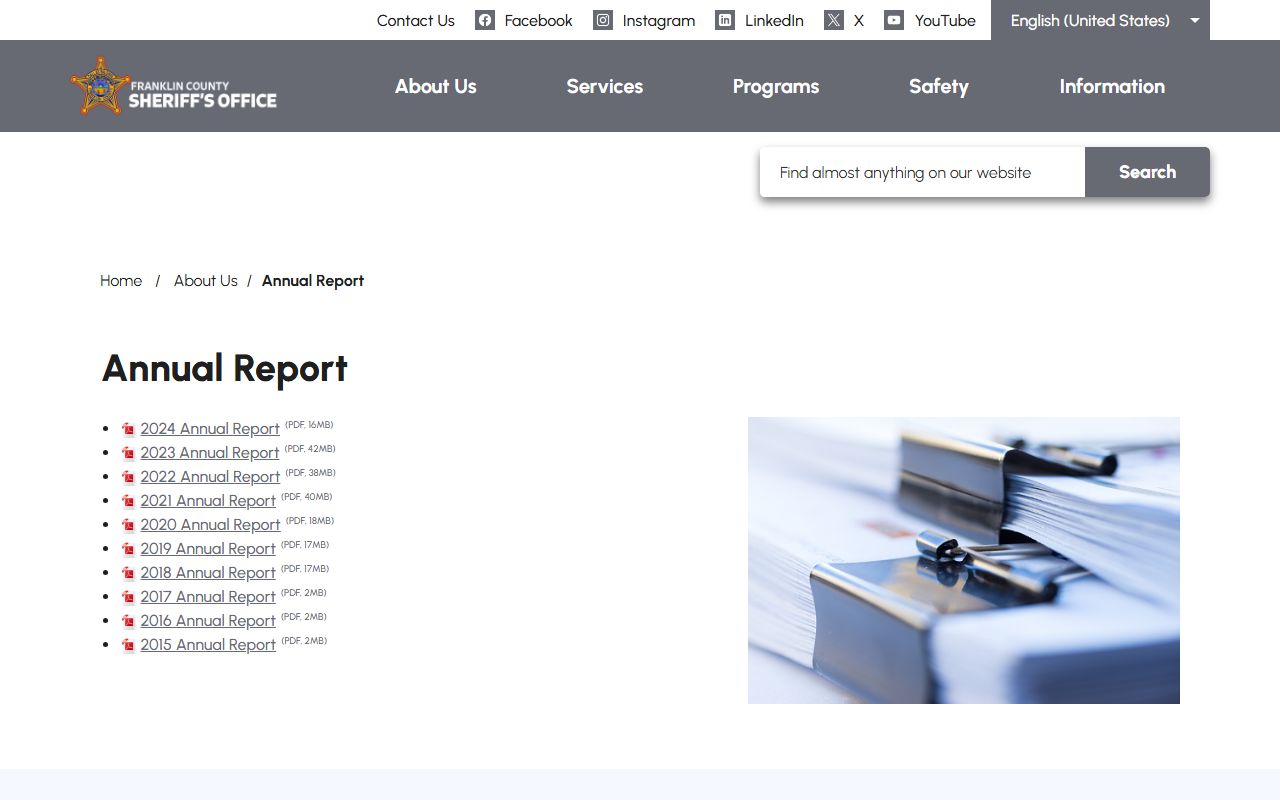
Until a clear local series is confirmed, national and state trends from BJS and the Prison Policy Initiative are the only defensible way to describe direction. They show broad movement, not a Franklin County line.
Searching for Franklin County Inmate Records by Name
Population data answers how many and who in the aggregate. It does not find one named person. For a single person currently held, the Sheriff's public booking lookup is the right tool, and it lives on the inmate records page rather than here. That search returns booking details for a named individual, not a population count.
If the person has left county custody, the released inmates page covers state and federal locators and release alerts.
Where the Data Comes From
Good population data is only as good as its source. For Franklin County, the trustworthy sources fall into local and outside groups. The Sheriff runs the jail and would hold any official local count, mainly through the annual report. Federal and research bodies supply the wider frame that local data lacks.
Keep the labels straight when you cite any figure. County data is scarce here, so most usable numbers are state or national and should be marked that way. Mixing a national rate with a local claim is the most common error, and it is easy to avoid.
- Sheriff annual report - the local source for any official Franklin County jail figure.
- Bureau of Justice Statistics - national and state jail counts and rates.
- Prison Policy Initiative - Ohio incarceration context and trend framing.
- Court dockets - the way to confirm one person's custody and case status.
For court questions tied to who is in jail and why, the Court of Common Pleas and the FAQ pages answer the common follow-ups about cases, bond, and access.